

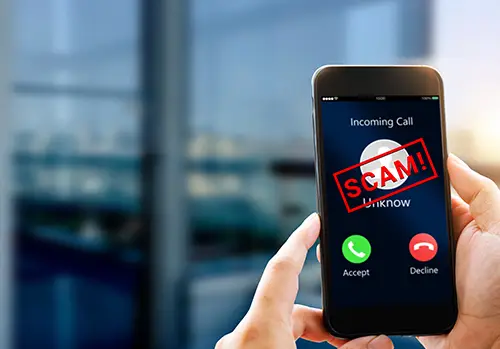
With today’s modern tech, Medicare scams are becoming more prevalent and tricky to spot. They cost beneficiaries and taxpayers billions of dollars each year. These scams primarily target the elderly and those with disabilities; however, anyone can become a victim of a Medicare scam.
In this article, I will go over the most common types of Medicare scams, how they operate, and what to look out for to protect yourself.
Let’s start with the basics:
What are Medicare Scams?
Medicare scams are a type of scam where individuals or organizations deliberately deceive Medicare beneficiaries in order to obtain money, Medicare benefits, or personal information unlawfully.
Scammers will typically pose as Medicare representatives, medical providers, government officials, or insurance agents.
Often, their goal is to bill Medicare for services/equipment that were never provided or were not medically necessary. Other times, their goal is to steal personal information for identity fraud.
Medicare scams often increase during the yearly Medicare Open Enrollment Period (October 15 – December 7). This is the period when beneficiaries are likely to review their health care coverage and make changes. However, it is important to note that scams can occur any time of year.
Types of Medicare Scams
- Unsolicited calls/messages
Scammers will often call you or message you via email or text, or sometimes even postal mail. Keep in mind, scammers will often “spoof” their caller ID, making themselves appear as “Medicare” or something similar.
It is CRITICAL that you do not provide this information. Medicare generally does not make unsolicited calls, texts, or emails requesting personal information.
- High-pressure sales tactics
Often, scammers will utilize a sense of urgency to pressure their victims into divulging personal information.
These scammers may claim that coverage will be lost if you do not act quickly or that your benefits will expire.
Do NOT give in to the pressure. Medicare representatives do not use high-pressure tactics or request personal information during unsolicited phone calls.
- Billing for services not received
Scammers may obtain your Medicare information through data breaches, phishing calls, or deceptive tactics.
Once they acquire this information, they use it to submit false Medicare claims for services such as: Doctor’s visits that never occurred, Lab tests that were never ordered, Medical equipment that was never delivered, home health services that were never provided.
- Offers of free medical equipment
Scammers will often offer “free” medical equipment like: genetic tests, wheelchairs, braces, etc.
Medicare does not offer medical equipment unsolicited.
If medical equipment or testing is needed, your healthcare provider will order it for you.
- Fake Medicare Cards or Updates
In this scam, the scammers will request your personal details in order to “process” the card update.
NEVER give out your personal details over the phone on an unsolicited call. Medicare typically communicates any important updates via mail and does not request personal information during unsolicited calls.
Safeguards You Can Take to Keep Yourself Secure
- Do not give out your Medicare Number.
Do NOT give out your Medicare number, Social Security, or any other personal details over the phone.
Only share your Medicare number with trusted healthcare providers and authorized insurers.
- Be cautious of unsolicited contact; verify before you trust
Generally, Medicare does NOT make unsolicited calls, texts, or emails that request personal information.
If ever in doubt about the authenticity of a caller, hang up and contact Medicare directly from their official telephone number.
- Do not accept “free” offers without prior verification.
If ever you require medical equipment or testing, it will be ordered by your healthcare provider and not offered unsolicited.
- Take note of your actual agent’s name and number.
Note the name and number of your actual Medicare agent’s name and phone number.
This way, if someone calls you about Medicare and it is not your saved agent, you know it is bogus.
How do I report a Medicare Scam?
There are multiple ways to report a suspected Medicare scam call or message.
Medicare
Call 1-800-MEDICARE (1-800-633-4227) and report any suspicious call or message.
FTC (Federal Trade Commission)
You can report scam calls and fraud at https://reportfraud.ftc.gov/
SMP (Senior Medicare Patrol)
Your local SMP can help you: https://smpresource.org/you-can-help/report-fraud/
https://smpresource.org/locator
FCC (Federal Communications Commission)
File a consumer complaint about scam calls with the FCC.
HHS OIG (Office of Inspector General)
To report suspected Medicare fraud, call toll free 1-800-HHS-TIPS (1-800-447-8477).
Need to learn more about the basics of Medicare? Check out this article from Empower Brokerage Inc.
Got Medicare Questions?
We hope that this information on Medicare scams and how to identify/avoid them is useful to you.
Let us help you answer your questions so that you can get back to the activities that you enjoy the most.
Call (888) 446-9157, click here to get an INSTANT QUOTE, or leave a comment below!
See our other websites: